Program workbooks, handbooks and brochures for nonprofits
Nonprofits use Chapbook to turn what staff already know into a volunteer handbook, a workbook for program participants or an event brochure, typeset without a design budget. Add your own documents as sources, approve the outline, and supply every figure and story yourself. Impact numbers, participant consent and state fundraising rules stay with your organization.


What nonprofits make with Chapbook
- Workbook 1,000–20,000 words
- A program workbook for participants or volunteers, with a lesson and a fill-in exercise per session, in plain language and in the languages you work in.
- Brochure 200–1,500 words
- A short illustrated brochure for an open day, a fundraiser or a new service: what's on, when, where and how to take part.
- Illustrated guide 2,000–8,000 words
- An illustrated how-to for the people you serve: how to apply, what a process involves or what to bring, with your own photos where real people or places appear.
- Lead magnet 1,000–10,000 words
- A free guide to the problem you work on, given away from a page, so people who care about it can join the mailing list you already run.
“We can’t publish a made-up number.”
You’re right, and a funder will ask where it came from. The model has no knowledge of your outcomes, and it can write a plausible figure if you leave a gap. Put your own numbers in the brief or add your annual report as a source, and say that nothing else may be used. Then check each figure against your records, because the responsibility is yours whatever the draft says.
The same goes for stories. A participant’s story needs their consent, and it shouldn’t go through an AI tool with identifying details in it: text you add reaches the AI providers named in the privacy policy, which also tells you to leave out sensitive personal data. Use fictional examples, labeled as fictional, or add real stories yourself in the editor once you have permission and have thought about what they reveal.
“We have no design budget, and no time.”
This is where a typeset draft earns its place. A volunteer handbook already exists as a pile of Word documents, and I have a draft turns them into chapters word for word, free, split at their headings. Choose a look, add your logo, and you have something you can hand to a new volunteer. Importing, editing by hand and downloading files cost no credits, though a clean file without the watermark needs a paid plan. AI actions, such as drafting, a cover, pictures or a read-through, use credits and show their price before they run.
There’s no nonprofit pricing. You can cancel a plan once the work is done, and files you already made stay yours to download.
What stays with you: fundraising rules
If the book asks for money, treat it like any other appeal. The IRS notes that many states regulate charitable solicitation and generally require registration before you solicit their residents. A free guide that ends on a donation link, reachable from anywhere, can raise that question. Chapbook doesn’t add disclosures or check registrations. Ask whoever handles your compliance before you publish, and don’t treat anything on this page as legal advice.
For family programs
A children’s activity pack is a printable PDF of coloring pages and puzzles, and its sign-up form addresses a parent, guardian or teacher, never the child. The free word search and maze maker makes a single sheet for a library table without an account.
The sample on this page
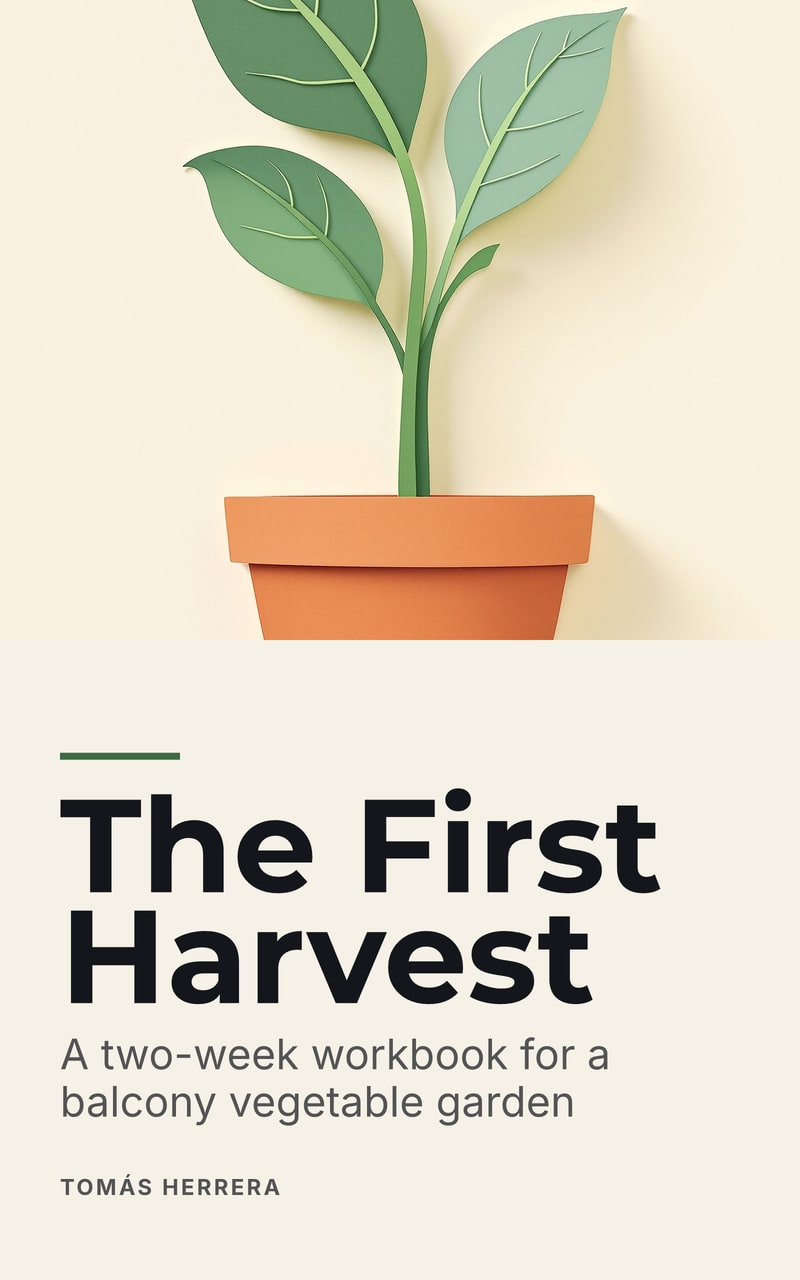
The First Harvest is a two-week workbook on container gardening, written for someone who thinks they can’t do it, and it follows one fictional beginner who is plainly labeled as invented. That’s close to a program workbook for people new to something: patient, practical and honest about what two weeks can do. It was generated from one brief and exported without editing. For an event, see the World Book Day brochure.
What it does not do
Chapbook doesn’t take donations, manage volunteers, keep a donor database, write grant applications to a funder’s form or send email to anyone. It has no shared seats, so one person holds the account. It writes nonfiction only.
Ideas
Words to know
- What is a lead magnet? A lead magnet is something useful given away free in exchange for an email address. What makes one work, the usual formats, and how it differs from an ebook.
- What is double opt-in? Double opt-in means a new subscriber confirms their address from an email before joining a list. Why lists use it, and how it works with Chapbook's sign-ups.
Sources
Last reviewed 30 October 2026
Questions people ask
Does Chapbook have a nonprofit discount?
No. Nonprofits pay the same plans as everyone: Creator at $29 a month is the first paid plan. The outline, one chapter of up to 2,500 words and a watermarked cover are free, so you can judge the draft before paying.
Can Chapbook write our impact report?
It can set out numbers you supply, but it has no knowledge of your results, and a draft can invent or misstate a figure. Add your own data as a source, then check every number against your records before publishing.
Can we make the same workbook in Spanish?
Yes, as a second book. A book can be written in English, Spanish, German, French, Portuguese (Brazil), Italian and Dutch. The language is set per book, and a speaker of that language who knows your community should read the result before it goes out.
Can several staff members and volunteers share one account?
No. Chapbook accounts are personal, with no teams or seats. A private reading link lets a board member or colleague read a draft without an account; comments happen outside the app.
Can Chapbook take donations on a book page?
No. A book page collects only sign-ups, and Chapbook takes no payments. The page and the book's last page can link to your donation page, which handles the gift.
Read a chapter of your own book before you pay for it.
The outline, one sample chapter up to 2,500 words and a watermarked cover are free: 60 Book Credits on sign-up, no card.